Comprehending the Advantages of Mass Containers in Enhancing Product Handling and Circulation Processes
Bulk containers play an important role in enhancing item handling and circulation. Their style assists in reliable supply management and lessens waste, causing set you back financial savings. On top of that, these containers improve transport efficiency and enhance item security during transit. As markets remain to seek sustainable services, the flexibility of bulk containers ends up being significantly relevant. Exploring their numerous advantages discloses insights that can change operational techniques across supply chains. What might these insights involve for future methods?
The Function of Bulk Containers in Stock Management
Bulk containers play an essential duty in supply management by improving the storage and transport of large quantities of products. These containers facilitate reliable organization and simple accessibility to items, thereby lowering the time invested situating products within storage facilities. Their standardized sizes and layouts enable optimal use room, optimizing storage space capabilities. Furthermore, bulk containers enhance the accuracy of supply monitoring, as they can be quickly classified and scanned for stock administration systems. The robust nature of these containers safeguards products from damages throughout handling and transportation, making sure product honesty. Generally, bulk containers add significantly to a more organized, reliable, and dependable stock monitoring process, sustaining services in satisfying need and maintaining functional effectiveness.
Cost-Effectiveness of Mass Containers
The cost-effectiveness of bulk containers plays a significant role in modern product handling. By decreasing packaging costs and enhancing transportation logistics, services can achieve substantial cost savings. This monetary performance not just boosts profitability however likewise adds to streamlined operations.
Reduced Packaging Expenses
Many services locate that making use of bulk containers especially minimizes packaging expenses. By settling items right into bigger containers, firms can greatly lower the quantity of packaging material called for. This reduction not only reduces the costs connected with acquiring packaging materials yet likewise minimizes waste disposal costs. Additionally, mass containers enhance the packing process, enabling for faster and more effective packing operations. Therefore, labor costs associated with handling smaller sized bundles are also reduced. The sturdiness of bulk containers usually leads to fewer item problems during transportation, thereby reducing the demand for replacement packaging. Generally, the fostering of bulk containers represents a tactical method to reducing packaging expenses while enhancing operational effectiveness
Efficient Transportation Savings
Considerable savings in transport costs can be accomplished with making use of mass containers. By taking full advantage of load capacities, bulk containers decrease the number of trips called for to deliver products, bring about reduced gas expenditures and decreased labor prices. Their standard dimensions help with reliable packing and stacking, enhancing room within transport cars. In addition, mass containers often consider less than standard packaging, enabling increased hauls without surpassing weight restrictions, better improving cost performance. The longevity of these containers lessens item damage throughout transportation, lowering losses and returns. In general, the combination of mass containers in logistics not only improves transportation processes but additionally substantially adds to cost-effectiveness, making them an essential element in contemporary supply chain administration.
Lessening Waste With Bulk Containers
Bulk containers play a vital duty in decreasing waste within product handling systems. By lowering material waste and promoting efficient resource usage, these containers contribute greatly to sustainability efforts. This change in the direction of lasting packaging solutions not only profits the environment but additionally improves functional efficiency.
Lowering Material Waste
Effective management of product waste is a vital worry in item handling, and making use of bulk containers can play a pivotal role in addressing this problem. By boosting the volume of materials transported at one time, bulk containers considerably minimize the number of deliveries needed, thus minimizing excess packaging waste. Their robust style additionally prevents spillage and damages throughout transportation, further restricting material loss - Bulk Plastic Containers. In addition, bulk containers are commonly multiple-use, promoting a round economic situation that motivates sustainability. The standardization of these containers streamlines supply management and lowers the risk of over-ordering, which can lead to waste. As companies endeavor for effectiveness, taking on bulk containers arises as an effective technique for minimizing product waste in different distribution procedures
Reliable Resource Use
While intending for excellent effectiveness, lots of organizations find that the usage of bulk containers substantially boosts source monitoring. These containers promote structured procedures by decreasing the frequency of taking care of and transportation, which subsequently decreases the chance of item loss and damages. By settling materials right into larger devices, business can optimize storage space and decrease the need for extreme product packaging. This approach not just decreases material costs but likewise Bulk Plastic Containers decreases labor connected with managing smaller sized packages. Furthermore, mass containers usually have a longer lifespan compared to standard product packaging, leading to lower replacement rates and decreased waste. Ultimately, the adoption of bulk containers promotes a more reliable usage of sources, adding to improved functional efficiency and expense financial savings in the supply chain.
Sustainable Product Packaging Solutions
A substantial advantage of utilizing bulk containers depends on their possible to decrease waste in product packaging procedures. These containers are designed for reuse, substantially lowering the need for single-use packaging materials, which add to ecological deterioration. By consolidating item storage and transportation, bulk containers maximize area and reduce the total volume of materials called for, consequently reducing the carbon footprint connected with production and taking care of conventional packaging. In addition, their toughness assurances that they can withstand numerous trips, promoting a circular economy. As services progressively embrace sustainable techniques, the combination of bulk containers into supply chains stands for a proactive approach to reducing waste and boosting effectiveness, ultimately supporting more comprehensive ecological objectives and business social obligation efforts.
Enhancing Transportation Efficiency
Enhancing transportation efficiency is necessary for organizations making use of mass containers in product handling. Mass containers are designed to optimize area application during transportation, permitting bigger quantities of items to be shipped all at once. This reduction in journeys equates to decrease transportation costs and decreased carbon exhausts, adding to more sustainable logistics practices. Additionally, the uniformity of bulk containers simplifies loading and unloading processes, decreasing taking care of time and labor prices. Their strong building likewise supplies defense versus damages, decreasing losses throughout transit. Therefore, business can accomplish quicker turn-around times, improving overall supply chain effectiveness. By implementing bulk containers, services can greatly improve their transportation logistics, eventually leading to increased earnings and an one-upmanship in the industry.
Improving Item Safety And Security and High Quality
Making certain item security and high quality is critical for businesses that utilize bulk containers in product handling, as these containers are particularly created to secure components throughout storage space and transportation. The durable building of mass containers safeguards products from ecological factors such as contamination, dust, and moisture, which can endanger integrity. Additionally, their impermeable seals decrease direct exposure to air, thus preserving freshness and protecting against spoilage. Mass containers assist in compliance with safety regulations by giving clear labeling and traceability, which are vital in numerous sectors, including food and pharmaceuticals. By utilizing bulk containers, companies can effectively reduce the threat of damages throughout transit and handling, ensuring that items reach their location in prime problem, thereby improving client fulfillment and trust fund.
Convenience and Flexibility of Mass Containers
Bulk containers provide remarkable flexibility and flexibility, making them ideal for a vast variety of markets and applications. Their style permits the reliable handling of different materials, consisting of granules, powders, and fluids, satisfying fields such as food, drugs, and chemicals. These containers can be easily customized or customized to fulfill certain operational needs, promoting seamless integration into existing supply chains. In addition, their stackable nature enhances storage area, improving storage facility effectiveness. The capability to stand up to various environmental conditions further extends their functionality across diverse setups, from manufacturing to transportation. This adaptability not just streamlines logistics yet also sustains companies in conference fluctuating needs, highlighting the relevance of bulk containers in contemporary item managing systems.
Sustainability Advantages of Using Bulk Containers
The adaptability of mass containers not just boosts functional efficiency yet additionally adds substantially to sustainability efforts throughout numerous markets. By lowering the requirement for single-use packaging, bulk containers decrease waste generation, bring about a lower ecological impact. Their multiple-use nature enables firms to substantially reduce material usage, while their design promotes effective transport, reducing fuel intake and greenhouse gas discharges. Furthermore, mass containers can be quickly cleaned and repurposed, additionally expanding their lifecycle and diminishing the requirement for new manufacturing resources. This lasting strategy aligns with growing customer choices for green techniques, allowing companies to boost their brand name image while supporting environmental stewardship. Generally, the implementation of bulk containers fosters a much more lasting version for product handling and circulation.

Often Asked Questions
What Materials Are Bulk Containers Generally Made From?
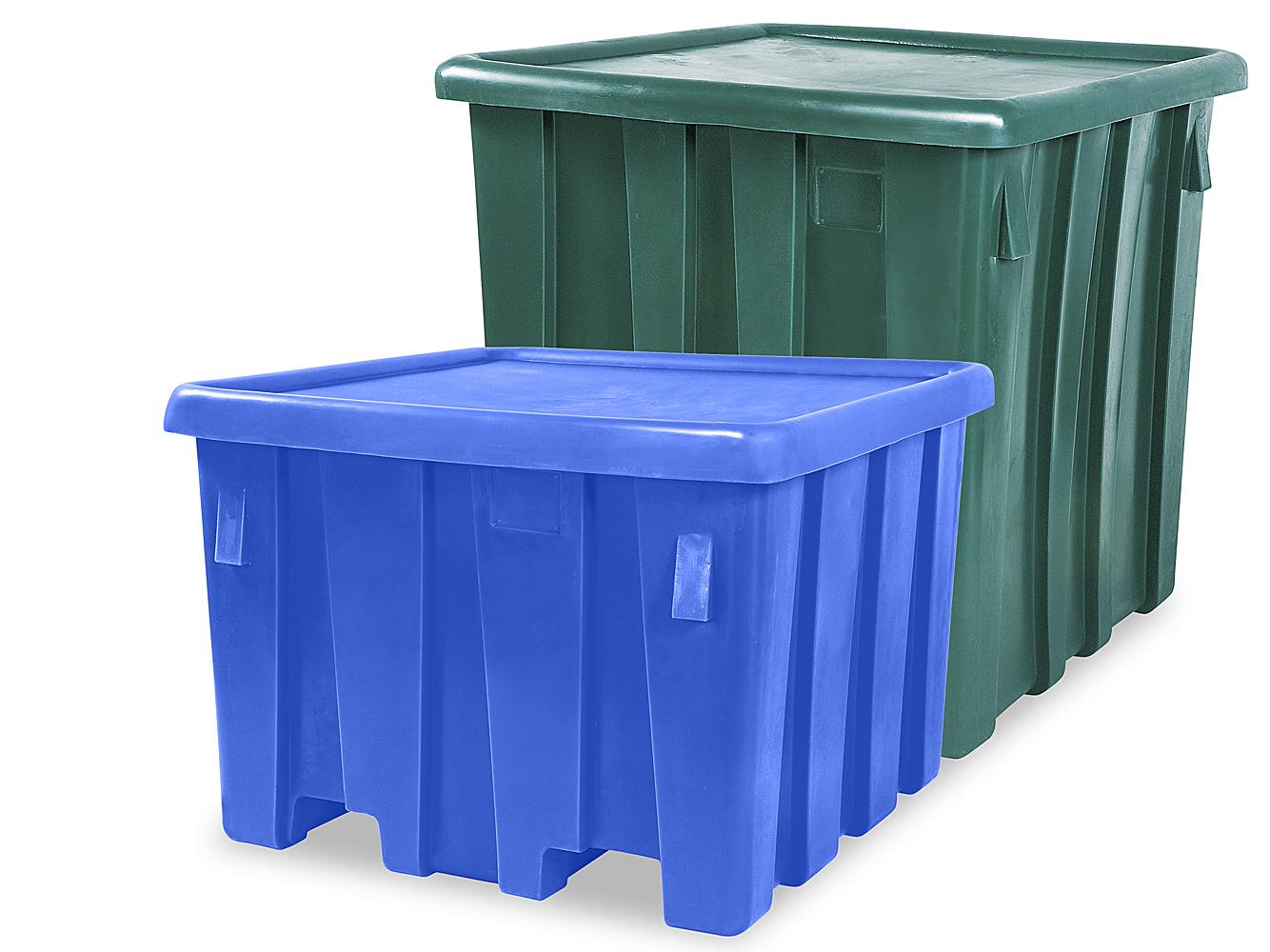
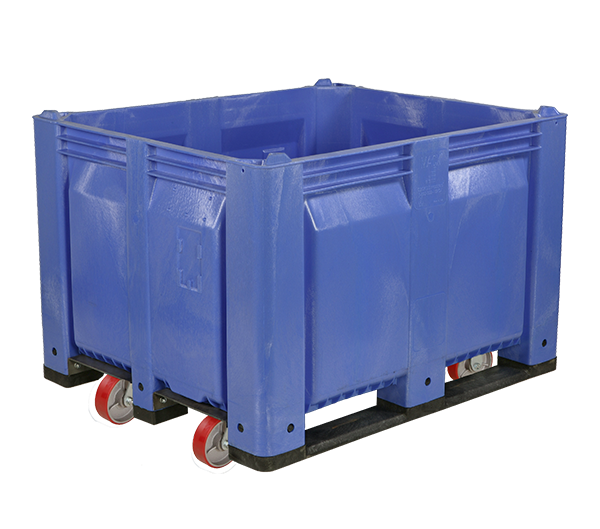
Bulk containers are commonly made from products such as plastic, steel, timber, or composite products. These selections rely on the container's planned usage, sturdiness demands, and the sorts of products being saved or transferred.
Just How Do Bulk Containers Adhere To Industry Laws?
Bulk containers abide with industry regulations by sticking to safety and security requirements, using accepted materials, and guaranteeing proper labeling. Routine examinations and qualifications even more guarantee they satisfy health, ecological, and transportation standards, protecting item stability throughout the supply chain.
Can Bulk Containers Be Customized for Certain Products?
Yes, bulk containers can be personalized for particular items. Manufacturers frequently create them to meet distinct specs, ensuring compatibility with various materials, enhancing protection, and maximizing efficiency throughout handling and distribution customized to details sector needs.
What Is the Average Life Expectancy of a Mass Container?
The average lifespan of a mass container commonly varies from 5 to 20 years, depending upon the materials utilized, frequency of usage, and maintenance methods. Correct treatment can significantly extend its use and performance.
Just how Do I Tidy and Maintain Bulk Containers Properly?
The toughness of bulk containers often leads to less item damages throughout transit, consequently reducing the requirement for replacement product packaging. Efficient monitoring of material waste is a critical problem in item handling, and making use of bulk containers can play an essential function in resolving this concern. By settling product storage space and transportation, bulk containers maximize space and lower the general volume of materials called for, therefore reducing the carbon impact associated with manufacturing and disposing of conventional packaging. Optimizing transportation effectiveness is vital for services utilizing mass containers in item handling. Making sure product security and quality is critical for companies that make use of bulk containers in item handling, as these containers are specifically developed to protect contents throughout storage and transportation.